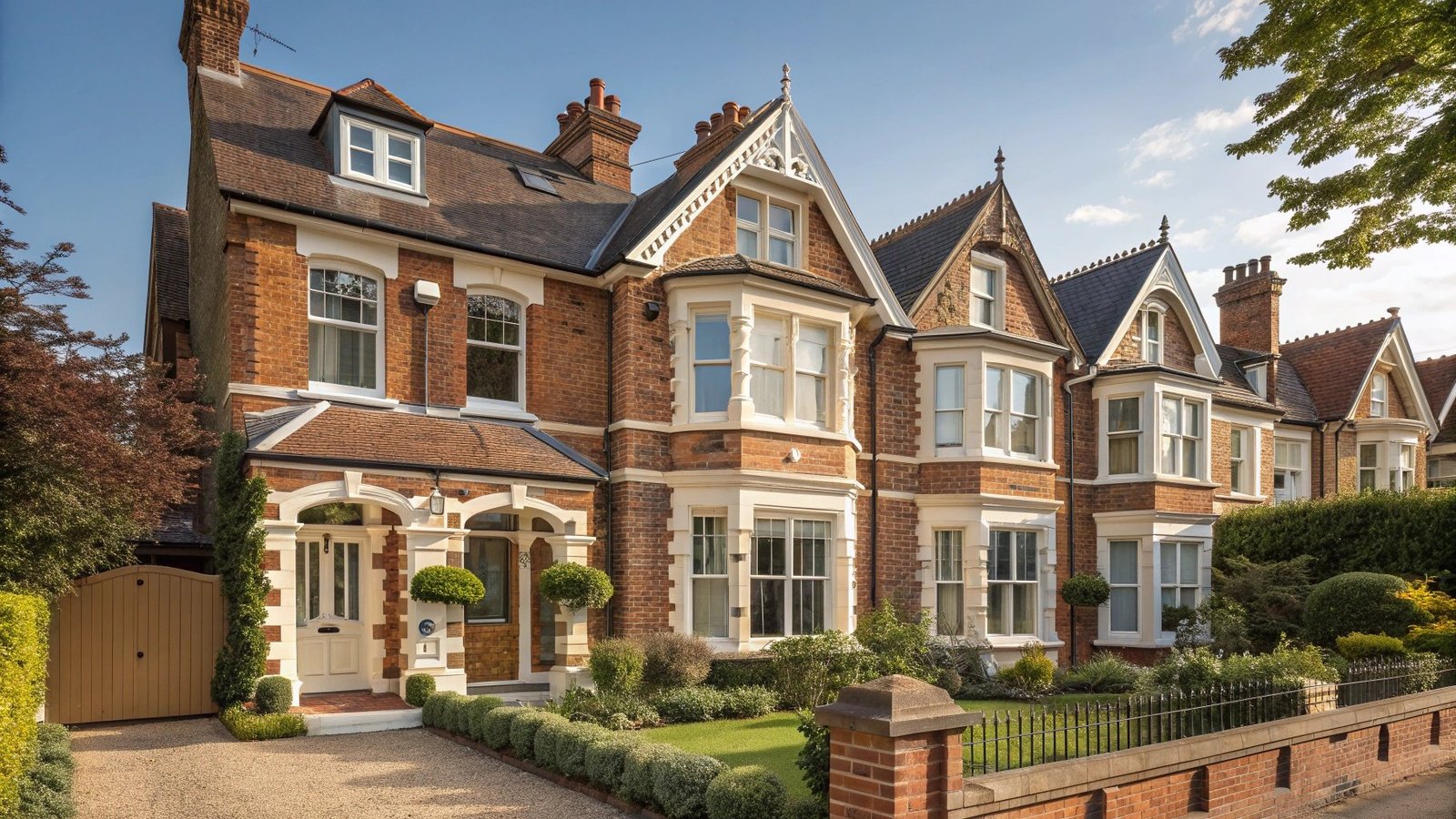
Victorian properties are among the most sought-after homes in the UK, offering character, space, and architectural charm that modern builds simply cannot replicate. Built between 1837 and 1901 during Queen Victoria's reign, these period properties represent a significant portion of the UK housing stock, particularly in cities like London, Manchester, Birmingham, and Bristol.
However, buying a Victorian property without a comprehensive home survey from a qualified RICS surveyor can be a costly mistake. These beautiful homes come with unique challenges and potential defects that require specialist knowledge to identify and assess properly.
Understanding Victorian Property Construction
Before diving into what surveyors look for, it's essential to understand how Victorian houses were built. This knowledge helps explain why certain defects are common and what makes these properties different from modern construction.
Typical Victorian Construction Methods
Victorian builders used solid wall construction, meaning walls are typically made from two layers of brick with no cavity between them. This differs significantly from modern cavity wall construction and has important implications for damp and insulation.
The foundations are usually shallow, often just brick footings without the deep concrete foundations used in modern construction. Floor joists were commonly suspended timber, with air bricks providing ventilation underneath. Roofs were typically slate or clay tiles on timber rafters, and many Victorian properties feature decorative elements like corbels, string courses, and ornate brickwork.
Internal walls were often lath and plaster, a technique using thin wooden strips (laths) covered with lime plaster. Windows were timber sash windows with single glazing, and chimneys were an essential feature, with multiple flues serving fireplaces in most rooms.
Common Defects Found in Victorian Properties
When conducting a home survey on a Victorian property, chartered surveyors know exactly where to look and what problems typically arise. Here are the most frequent issues identified during property inspections.
1. Damp and Moisture Problems
Damp is perhaps the single most common defect in Victorian homes, and it manifests in several forms. Rising damp occurs when ground moisture moves up through solid walls due to failed or absent damp-proof courses. Many Victorian properties were built without DPCs, or the original slate DPCs have failed over time.
Penetrating damp results from water entering through walls, particularly in exposed locations or where pointing has deteriorated. Solid walls are more susceptible to penetrating damp than modern cavity walls. Condensation is also problematic in Victorian properties due to poor ventilation, single glazing, and solid walls that create cold surfaces.
During a building survey, your surveyor will use moisture meters to detect damp and will inspect for tell-tale signs like tide marks, peeling wallpaper, musty smells, and salt deposits on walls. Treatment costs vary dramatically. Simple condensation issues might cost £500 to £1,000 for improved ventilation, while extensive rising damp treatment can cost £3,000 to £10,000 depending on the property size.
2. Structural Movement and Subsidence
Victorian properties commonly show signs of structural movement, but not all movement is serious. The shallow foundations used in Victorian construction make these properties more susceptible to ground movement, particularly in areas with clay soil that shrinks and swells with moisture changes.
A qualified surveyor will carefully assess any cracks to determine whether they indicate historic settlement that has stabilized, minor cosmetic cracking that poses no structural concern, or active subsidence requiring investigation and potential underpinning.
Diagonal cracks wider than 5mm, particularly those that are wider at the top than bottom, are red flags. Cracks around door and window openings, and stepped cracking in brickwork following mortar joints, also warrant careful examination.
Minor historic cracking is common and not a concern, but active subsidence can cost £10,000 to £50,000 to repair through underpinning. Some insurance companies may refuse cover or charge higher premiums for properties with subsidence history.
3. Roof and Chimney Issues
Victorian roofs have often lasted over a century, but eventually, all roofs need attention. During a Level 3 building survey, particular attention is paid to the roof structure and covering.
Slate roofs commonly experience nail fatigue, where the nails holding slates corrode and fail, causing slates to slip or fall. Some slates may also have reached the end of their natural lifespan and become porous. Ridge tiles often need repointing or replacement, and lead flashings around chimneys deteriorate over time.
Victorian chimneys present their own challenges. Many are no longer in use, but they still require maintenance. Chimney stacks can become unstable, particularly if pointing has deteriorated. Unused flues should be capped to prevent rain entry, and many chimneys lean or have loose pots that pose a safety risk.
A full roof replacement on a Victorian terraced house typically costs £8,000 to £15,000. Chimney repairs range from £500 for repointing to £5,000 for rebuild work on unstable stacks.
4. Timber Defects: Woodworm and Rot
Victorian properties have extensive timber elements, all susceptible to insect attack and decay. Floor joists, roof timbers, window frames, and door frames all require careful inspection during a property survey.
Woodworm, particularly the common furniture beetle, creates small round holes in timber. Active infestation shows fresh, light-colored wood dust around holes. Dry rot is the most serious timber problem, caused by a fungus that thrives in damp, poorly ventilated conditions. It spreads rapidly and can cause severe structural damage. Wet rot occurs in persistently damp timber and while serious, is less aggressive than dry rot.
During a home survey, your surveyor will check accessible timber for signs of insect attack and decay, probe suspect areas to test timber strength, and recommend specialist timber surveys if problems are identified.
Treatment costs vary enormously. Simple woodworm treatment might cost £1,000 to £2,000, while extensive dry rot treatment including timber replacement can cost £5,000 to £15,000 or more for severe cases.
5. Outdated Electrical and Plumbing Systems
Many Victorian properties still have outdated services that don't meet modern safety standards. Original electrical systems used in Victorian times have long since been replaced, but many properties still have wiring from the 1960s or 1970s that's now beyond its safe lifespan.
Warning signs include old rubber-insulated wiring, round pin sockets, insufficient number of sockets, old-style fuse boxes rather than modern consumer units, and lack of residual current devices (RCDs) for protection.
Plumbing in Victorian properties often includes lead pipes, which should be replaced. Galvanized steel pipes may have corroded internally, restricting water flow. Original cast iron waste pipes may have corroded, and some properties still have outdated drainage systems.
A full house rewire typically costs £3,000 to £6,000 for a three-bedroom Victorian terraced house. Complete plumbing upgrades including central heating installation range from £5,000 to £12,000.
6. Windows and Doors
Original Victorian sash windows are beautiful but require maintenance. Common issues include broken sash cords making windows inoperable, rotten sills and frames from water damage, broken glazing putty allowing water penetration, and single glazing offering poor thermal performance and security.
Many Victorian properties have had original windows replaced with UPVC, which is often inappropriate for period properties and may reduce value. Doors may have wood rot in threshold and lower panels, failed ironmongery, and gaps causing draughts and security concerns.
Overhauling original sash windows costs £300 to £800 per window. New high-quality timber sash windows with double glazing cost £800 to £1,500 per window.
What Type of Survey Do You Need for a Victorian Property?
Given the age and complexity of Victorian construction, choosing the right survey type is crucial. A basic mortgage valuation is completely inadequate for a Victorian property as it doesn't assess condition or identify defects.
A RICS Home Survey Level 2 is suitable for Victorian properties that appear in reasonable condition and haven't been significantly altered. It provides a good level of detail about the property's condition and identifies defects requiring attention.
However, a Level 3 Building Survey is often recommended for Victorian properties, particularly if the property is over 100 years old, has had significant alterations or extensions, shows signs of structural problems, or if you're planning renovation work. This most comprehensive survey includes detailed inspection of all accessible areas, extensive condition reporting, and guidance on necessary repairs and costs.
For a typical three-bedroom Victorian terraced house, expect to pay £600 to £900 for a Level 2 survey, or £1,200 to £1,800 for a Level 3 survey. While this seems expensive, it's a small investment compared to the potential repair costs you might face without proper inspection.
The Importance of Specialist Knowledge
Not all surveyors are equally experienced with period properties. When choosing a property surveyor for a Victorian home, look for specific experience with period properties. Ask about their familiarity with Victorian construction methods, and check if they're members of professional bodies like RICS, CIOB, or the Historic Houses Association.
Local knowledge is particularly valuable as Victorian building styles and common issues vary by region. A surveyor familiar with Victorian properties in your area will know which problems are typical and which are unusual.
Negotiating After Your Survey
A Victorian property survey will almost certainly identify some issues. This is normal and doesn't necessarily mean you shouldn't buy the property. The survey report provides powerful negotiating leverage.
For minor issues like pointing repairs or gutter replacement that you're happy to address yourself, you might proceed without negotiation. For moderate issues like roof repairs or damp treatment, request a price reduction equivalent to repair costs. For serious structural problems like subsidence or extensive dry rot, you might request significant price reduction, insist sellers complete repairs before exchange, or walk away if issues are too severe.
Remember that Victorian properties rarely exist in perfect condition. A good surveyor will distinguish between serious defects requiring urgent attention and minor issues that are normal for a property of that age.
The Positive Side of Victorian Properties
Despite the potential challenges, Victorian properties offer numerous advantages. They feature generous room sizes compared to modern homes, beautiful period features like cornicing, ceiling roses, and fireplaces, and solid construction that can last centuries with proper maintenance. They're located in established neighborhoods with mature gardens and excellent transport links. High ceilings provide a sense of space, and these properties generally hold their value well.
Many Victorian properties have been well maintained or sympathetically renovated, combining period charm with modern conveniences. A thorough survey helps you understand exactly what you're buying and plan any necessary work.
Maintaining Your Victorian Property
Once you've purchased a Victorian property, ongoing maintenance is essential. Regular inspection of roofs and gutters prevents water damage. Maintaining external paintwork protects timber from rot. Keeping up with pointing work prevents water penetration. Ensuring good ventilation helps prevent damp and condensation. Regular chimney sweeping if fireplaces are in use prevents chimney fires. Addressing small repairs promptly prevents them becoming major problems.
Many Victorian property owners find it helpful to establish a maintenance budget, setting aside £1,000 to £2,000 annually for ongoing upkeep and repairs. This proactive approach prevents expensive emergency repairs and helps maintain your property's value.
Conclusion
Victorian properties are wonderful homes offering character and space that modern properties cannot match. However, they require proper inspection by a qualified RICS surveyor who understands period construction methods and common defects.
Investing in a comprehensive building survey provides peace of mind and often saves far more than it costs by identifying problems before you commit to purchase. Whether the survey reveals minor maintenance needs or more significant issues, you'll have the information needed to make an informed decision about buying the property and negotiate a fair price.
Don't let the potential for defects discourage you from buying a Victorian property. With proper survey information, realistic expectations, and a commitment to ongoing maintenance, a Victorian home can provide decades of comfortable living in a property with genuine character and charm.
Planning to Buy a Victorian Property?
Our team of qualified RICS surveyors has extensive experience with period properties across the UK. We understand Victorian construction and know exactly what to look for to protect your investment.
Get Your Expert Survey Quote