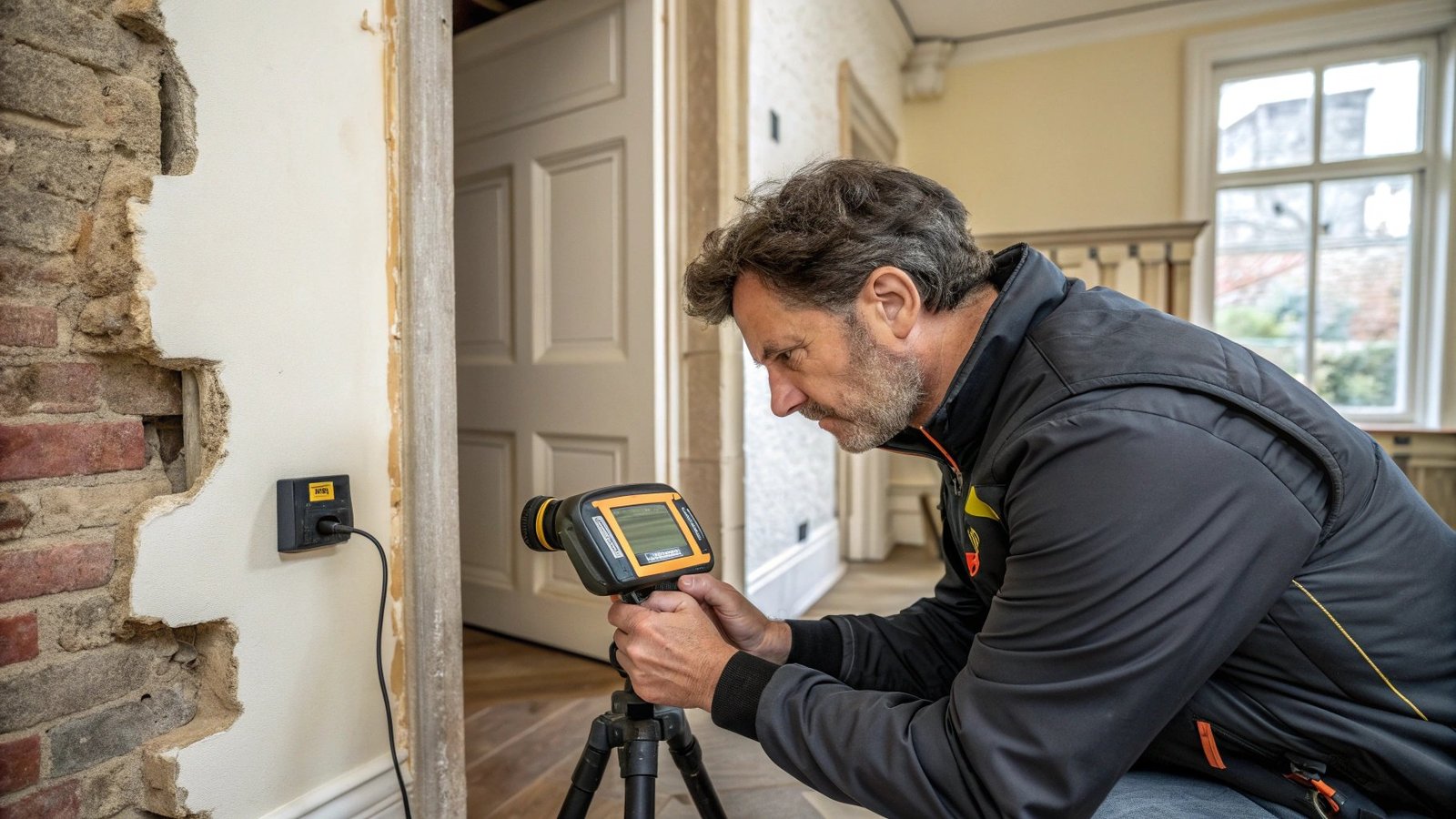
Choosing between a RICS Level 2 and Level 3 survey is one of the most important decisions when buying a property. The wrong choice means either paying for more survey than you need or, worse, getting insufficient information about serious defects that could cost thousands to repair. Understanding the differences between these survey types helps you make an informed decision that protects your investment.
As qualified RICS surveyors conducting hundreds of property surveys annually, we regularly advise clients on which survey type best suits their needs. This comprehensive guide compares Level 2 and Level 3 surveys in detail, helping you determine which is right for your property purchase.
Understanding RICS Survey Standards
The Royal Institution of Chartered Surveyors standardizes home surveys in the UK to ensure consistency and quality. Both Level 2 and Level 3 surveys follow RICS guidelines, but they differ significantly in scope, detail, and cost.
Level 2 surveys, formerly known as HomeBuyer Reports, provide comprehensive information about the property's condition suitable for most standard properties. Level 3 surveys, previously called Building Surveys or Full Structural Surveys, offer the most detailed inspection available for older, altered, or unusual properties.
Neither survey is necessarily better than the other. The right choice depends entirely on your property's characteristics, your plans for the building, and your need for detail.
RICS Level 2 Home Survey: Detailed Overview
The Level 2 survey is the most popular choice for property buyers in the UK, offering a good balance between detail and cost. Understanding what's included helps you determine if it meets your needs.
What's Included in a Level 2 Survey
A Level 2 survey includes visual inspection of all accessible areas without moving furniture or lifting floor coverings. Traffic light condition ratings for each element, from green for no issues to red for urgent problems, provide quick assessment. Description of the property's construction and apparent condition is thorough. Identification of defects requiring attention with explanations of their significance occurs systematically. Advice on necessary repairs and maintenance recommendations ensures you understand requirements. Market valuation is typically included, helping assess if the asking price is fair. Information about legal issues that might affect value or use of the property is provided.
The inspection covers external elements including roofs, chimneys, walls, windows, doors, and drainage. Internal elements such as ceilings, walls, floors, and built-in fittings receive attention. Services including electrics, heating, and plumbing are examined. Outbuildings and grounds within property boundaries are surveyed. Any issues that might affect buildings insurance, including subsidence risks, are noted.
What's Not Included in Level 2 Surveys
Level 2 surveys have limitations you should understand. Detailed examination of hidden areas like under floors or inside walls doesn't occur. Moving furniture or lifting carpets to inspect beneath isn't done. Testing of services like electrical systems or drainage isn't included, though obvious deficiencies are noted. Detailed assessment of timber condition beyond visual inspection and basic testing isn't provided. Invasive investigation or opening up of the structure doesn't happen. Buildings may not be inspected if safely inaccessible, such as very steep roofs.
Best Suited For
Level 2 surveys work well for conventional properties built using standard construction methods. Properties in reasonable condition without obvious major defects benefit from this level. Standard houses, flats, and bungalows of any age can be assessed effectively. Properties you plan to live in without major renovation suit Level 2 surveys. When you need property valuation included in the survey, this level provides it. Budget-conscious buyers wanting good detail without the cost of Level 3 find value here.
Typical Cost
Level 2 surveys typically cost between £600 and £1,000 for a standard three-bedroom property. Costs vary based on property size, location, property age and type, whether valuation is included, and local surveyor fees. While not cheap, this investment often saves far more by identifying defects before purchase.
RICS Level 3 Building Survey: Comprehensive Analysis
The Level 3 survey is the most detailed and thorough property inspection available. It's essential for certain property types and circumstances.
What's Included in a Level 3 Survey
Level 3 surveys provide extensive detail. Thorough examination of all accessible areas with more intrusive investigation where necessary and appropriate occurs. Detailed description of construction methods, materials, and condition is comprehensive. In-depth analysis of defects including likely causes and urgency of repairs helps planning. Extensive advice on repairs with indications of likely costs enables budgeting. Guidance on ongoing maintenance and potential future problems aids long-term planning. Detailed technical information useful for planning renovations or extensions supports projects. Photography documenting key issues and defects provides evidence.
The surveyor spends significantly more time examining the property, typically three to six hours compared to two to three hours for Level 2. They look in roof spaces if safely accessible, inspect under floors where possible, examine wall cavities where openings exist, test timber more extensively, and investigate any concerns more thoroughly.
What's Not Included in Level 3 Surveys
Even Level 3 surveys have limits. Detailed testing of electrical installations or gas systems isn't included, specialist testing requiring destructive investigation doesn't occur, drainage surveys beyond visual inspection aren't provided, areas genuinely inaccessible remain unexamined, and property valuation usually isn't included but can be commissioned separately.
Best Suited For
Level 3 surveys are essential for properties over 50 years old, especially if poorly maintained. Listed buildings or properties in conservation areas require this level. Unusual construction or properties that have been significantly altered need thorough examination. Properties with known or suspected serious defects must be fully assessed. When planning major renovation works or extensions, detailed information is crucial. Properties with thatched roofs, timber frames, or other specialist construction need comprehensive inspection. Large, complex, or expensive properties warrant the most thorough survey.
Typical Cost
Level 3 surveys typically cost £1,200 to £2,000 for a standard three-bedroom property, with larger or more complex properties costing more. The higher cost reflects the additional time, expertise, and detail provided. For appropriate properties, this investment provides essential information you cannot get elsewhere.
Direct Comparison: Level 2 vs Level 3
Comparing these surveys directly highlights their differences. Inspection depth in Level 2 is visual inspection of accessible areas, while Level 3 provides more intrusive investigation where appropriate. Time on site for Level 2 averages two to three hours, versus three to six hours for Level 3. Report length for Level 2 runs 20 to 30 pages typically, compared to 40 to 60-plus pages for Level 3. Level of detail in Level 2 is good for most purposes, while Level 3 offers extensive technical detail. Construction analysis in Level 2 describes apparent construction, whereas Level 3 provides detailed construction analysis. Defect investigation for Level 2 identifies and describes issues, while Level 3 investigates causes and implications. Repair guidance from Level 2 suggests repairs needed, but Level 3 provides detailed repair recommendations with cost indications. Valuation is typically included in Level 2, usually not in Level 3 but can be added. Cost for Level 2 ranges £600 to £1,000, while Level 3 costs £1,200 to £2,000-plus. Best for Level 2 are standard properties in reasonable condition, whereas Level 3 suits older, unusual, or problematic properties.
Making Your Decision: Which Survey Do You Need?
Several factors should influence your choice between Level 2 and Level 3 surveys.
Property Age
For properties less than 30 years old in good condition, Level 2 usually suffices. Properties 30 to 50 years old should be assessed individually, with Level 3 recommended if there are concerns. Properties over 50 years old generally benefit from Level 3 surveys, especially if showing wear or having been extended.
Property Type
Standard houses and flats suit Level 2 surveys. Period properties, barn conversions, or unusual construction need Level 3 examination. Listed buildings or those in conservation areas require Level 3 surveys. Properties with thatched roofs, timber frames, or other specialist features need Level 3 surveys. Large or complex properties benefit from the detail of Level 3.
Property Condition
Properties in apparently good condition with no obvious issues work with Level 2. Properties showing signs of problems like cracks, damp, or structural issues need Level 3 investigation. Poorly maintained properties definitely require Level 3 surveys. Properties with recent or ongoing remedial work should be examined thoroughly with Level 3.
Your Plans
Planning to live in the property without major changes suits Level 2. Planning significant renovation, extension, or conversion requires Level 3 detailed information. Considering converting the property to another use needs Level 3 technical detail. Buying as an investment where thorough condition knowledge is essential warrants Level 3.
Your Budget and Risk Tolerance
Budget-conscious buyers usually choose Level 2 as good value. Buying an expensive property means the additional cost of Level 3 is proportionally small. Risk-averse buyers prefer Level 3's comprehensive information. First-time buyers often choose Level 2 unless the property specifically requires Level 3.
Can You Upgrade From Level 2 to Level 3?
If your Level 2 survey raises concerns, you can commission a Level 3 survey before completing the purchase. While this means paying for two surveys, it's better than buying a property with serious undiscovered problems. Alternatively, your surveyor might recommend specialist surveys for specific concerns like structural engineering assessments, electrical condition reports, or timber and damp surveys.
What If You Choose Wrong?
Choosing a Level 2 survey when Level 3 was needed means you might miss serious defects requiring expensive repairs. The more detailed inspection of Level 3 could have identified issues you'll now discover after purchase. However, you've saved money on the survey cost, which might offset some repair expenses if issues are minor.
Choosing Level 3 when Level 2 would have sufficed means you've paid several hundred pounds more for detail you didn't need. However, you have comprehensive information and peace of mind. The additional cost is relatively small compared to the property price.
Generally, it's better to err on the side of caution and choose Level 3 if uncertain. The additional cost is easily justified if it identifies one significant defect you can negotiate on or prevents you buying a property with serious problems.
Professional Advice
When booking your survey, discuss your property with the surveyor. Experienced RICS surveyors can advise which survey type best suits your needs based on property details, your circumstances and plans, your budget and risk tolerance, and any specific concerns you have. Most surveyors would rather recommend the appropriate survey than sell you more than you need or insufficient for your circumstances.
Conclusion
Both Level 2 and Level 3 surveys serve important purposes in the property-buying process. Level 2 surveys provide comprehensive information suitable for most standard properties at a reasonable cost. Level 3 surveys offer the most detailed inspection available, essential for older, unusual, or problematic properties.
The right choice depends on your specific property and circumstances. Consider the property's age, type, and condition, your plans for the property, your budget and risk tolerance, and any specific concerns about the building. When in doubt, consult a qualified RICS surveyor who can provide professional advice on which survey type best protects your investment.
Remember that the survey cost is a tiny fraction of your property purchase price. Choosing the appropriate survey type provides essential information that often saves far more than it costs by identifying defects before you commit to buying.
Not Sure Which Survey You Need?
Our qualified RICS surveyors can advise on the most appropriate survey type for your property. We'll assess your specific circumstances and recommend Level 2 or Level 3 based on what's best for you, not what costs more.
Get Expert Advice